How to patch test a new skincare product, properly
A dab on the wrist the night before is not a patch test. Where to test, how long to keep going, what you are looking for, and what to do if your skin says no.
Koziva · · 5 min read
Everyone knows they are supposed to patch test. Very few people do it in a way that actually tells them anything. The usual version is a dab on the back of the hand the night a parcel arrives, a glance in the morning, and then straight onto the face. That is better than nothing, but not by much.
A patch test is a small experiment. Done properly, it answers one question before you put a new product across your whole face: does your skin get along with this formula? Here is how to run it so the answer means something.
Why bother, if a product is made for all skin types
"For all skin types" means a formula was not designed around one skin type. It does not mean nobody will ever react to it. Skin is individual. A fragrance that one person never notices can leave another person red and itchy, and a preservative that suits most people can still be the one thing your skin objects to.
You cannot tell from a label in advance, even a well-written one. Reading the ingredient list helps you spot the usual suspects (fragrance, essential oils, certain preservatives), but the only way to know how your skin responds is to try a little and watch.
“A patch test is not a formality. It is the cheapest way to find out what your skin thinks.”
Where to test
Pick a spot that is easy to see, sensitive enough to be honest, and out of the way of rubbing and washing. The inside of the forearm is the classic choice. The American Academy of Dermatology suggests the underside of the arm or the bend of the elbow, a patch about the size of a coin, somewhere the product will not be rubbed or washed away (AAD: how to test skin care products).
The back of the hand is a poor choice. It is washed many times a day, and you will not remember what it looked like yesterday.
How long to keep going
This is where most patch tests fall short.
The minimum. Our product pages and FAQ suggest a small amount on the inside of the forearm, left for 24 hours before it goes on your face. That catches a reaction that shows up quickly, and it is the least you should do, especially if your skin is sensitive or reactive.
The thorough version. Some reactions take longer to appear, or only show after the skin has met the product a few times. For that reason the AAD recommends applying the product to the test spot twice a day for seven to ten days. If you have reacted to skincare before, or you are adding something with an ingredient you have not used, the longer test is worth the wait.
Either way, test one new product at a time. If you start a toner, a serum and a moisturiser on the same arm on the same day and something flares, you will have no idea which one to blame.
How to apply it
Use the product the way you would on your face.
- Same amount, same thickness. A token smear tells you less than a normal application. One spray of toner, a drop of serum, a thin layer of cream.
- Leave it on as long as you normally would. A leave-on product stays on. For a wash-off product like a cleanser, the AAD's guidance is to keep it on for about five minutes, or as long as the instructions say, then rinse.
- Do not cover it. A plaster or bandage traps heat and moisture and can irritate skin by itself, which muddies the result.
If you use several steps together on your face, as with a layered routine, you can finish with a short combined test too: once each product has passed on its own, layer them on the same spot in the usual order for a couple of days.
What you are looking for
Check the spot in good daylight, morning and evening. Things that mean stop:
- redness that was not there before and does not fade
- itching or burning that lasts
- swelling, small bumps or a rash
- skin that turns dry, rough or flaky at the test spot only
A brief, faint tingle as a product goes on and then fades within a minute or two is common with some formulas, particularly on freshly washed skin. A sensation that builds, lasts or comes back every time is not the same thing, and counts as a no.
If nothing changes over the test period, that is your answer: start on your face, and introduce the product on its own for the first week so you can still tell what is doing what.
If your skin says no
Wash the product off gently with plain water as soon as you notice a reaction, and do not use it again. A cool compress can make the area more comfortable.
Make a note of the product and its full ingredient list. If you react to more than one product over time, those notes are how you find the common ingredient. If reactions keep happening, are strong, or you cannot work out the cause, see a dermatologist. They can run proper clinical patch testing to identify what your skin is reacting to, which is a different and much more precise thing than the home version described here.
A note on our own three
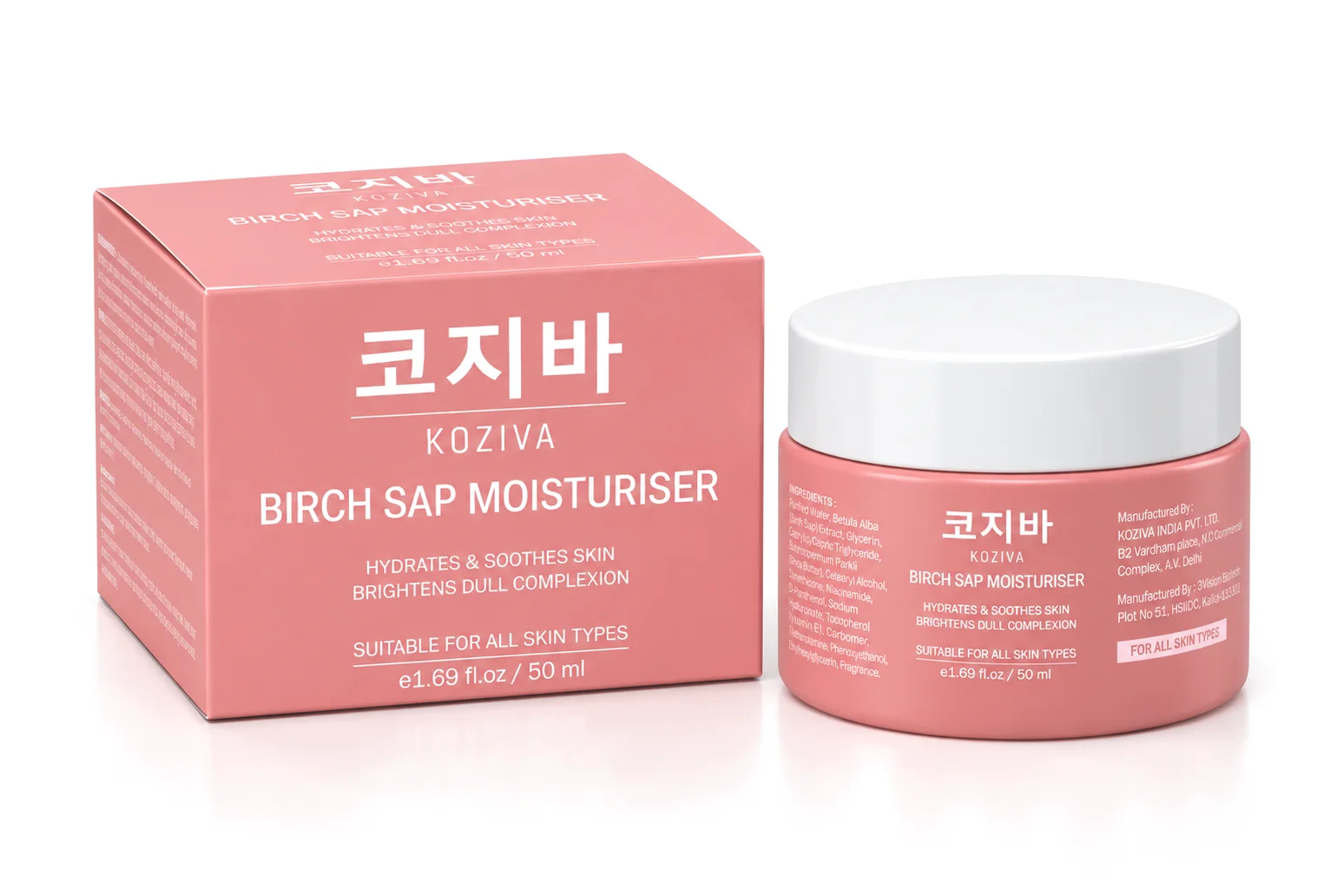
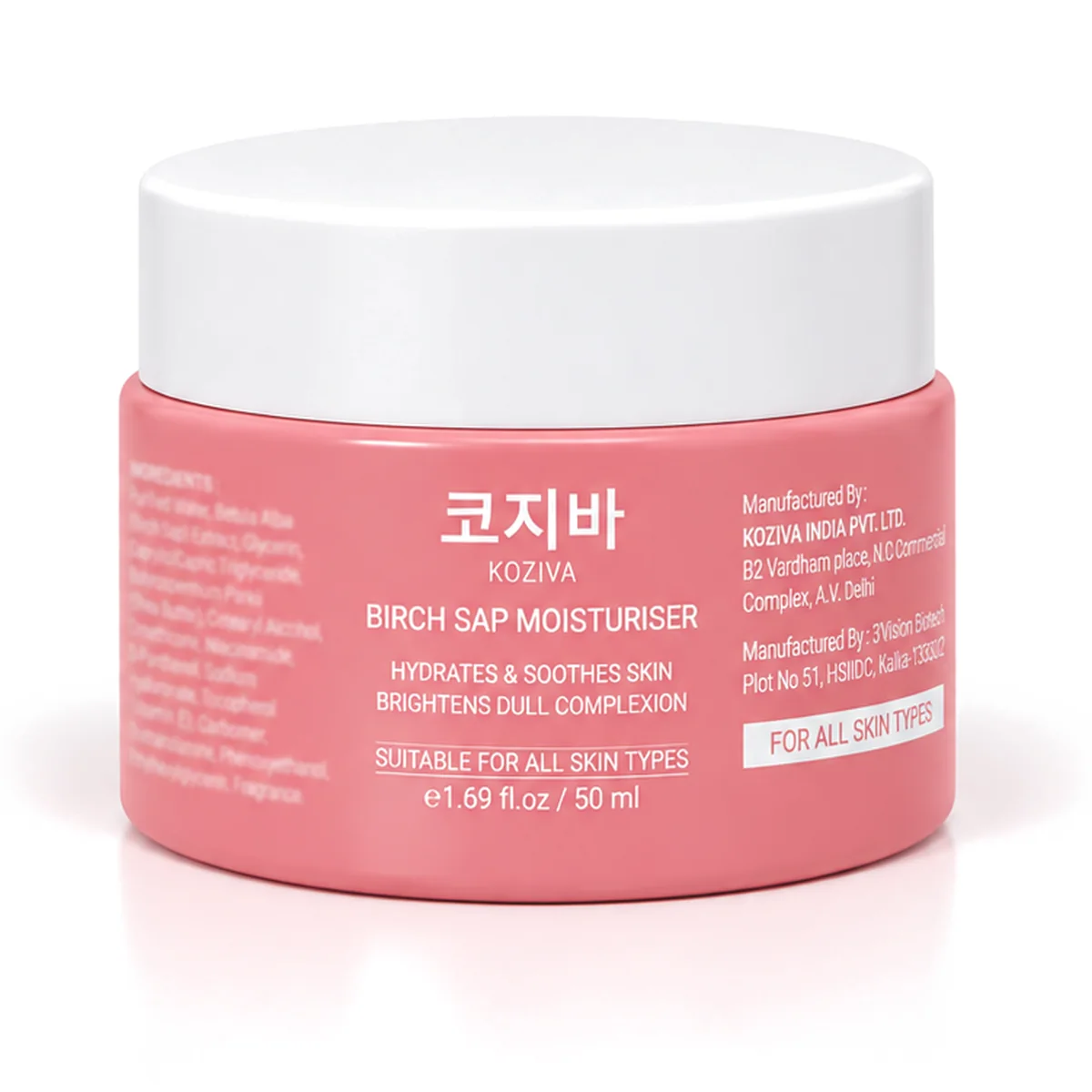
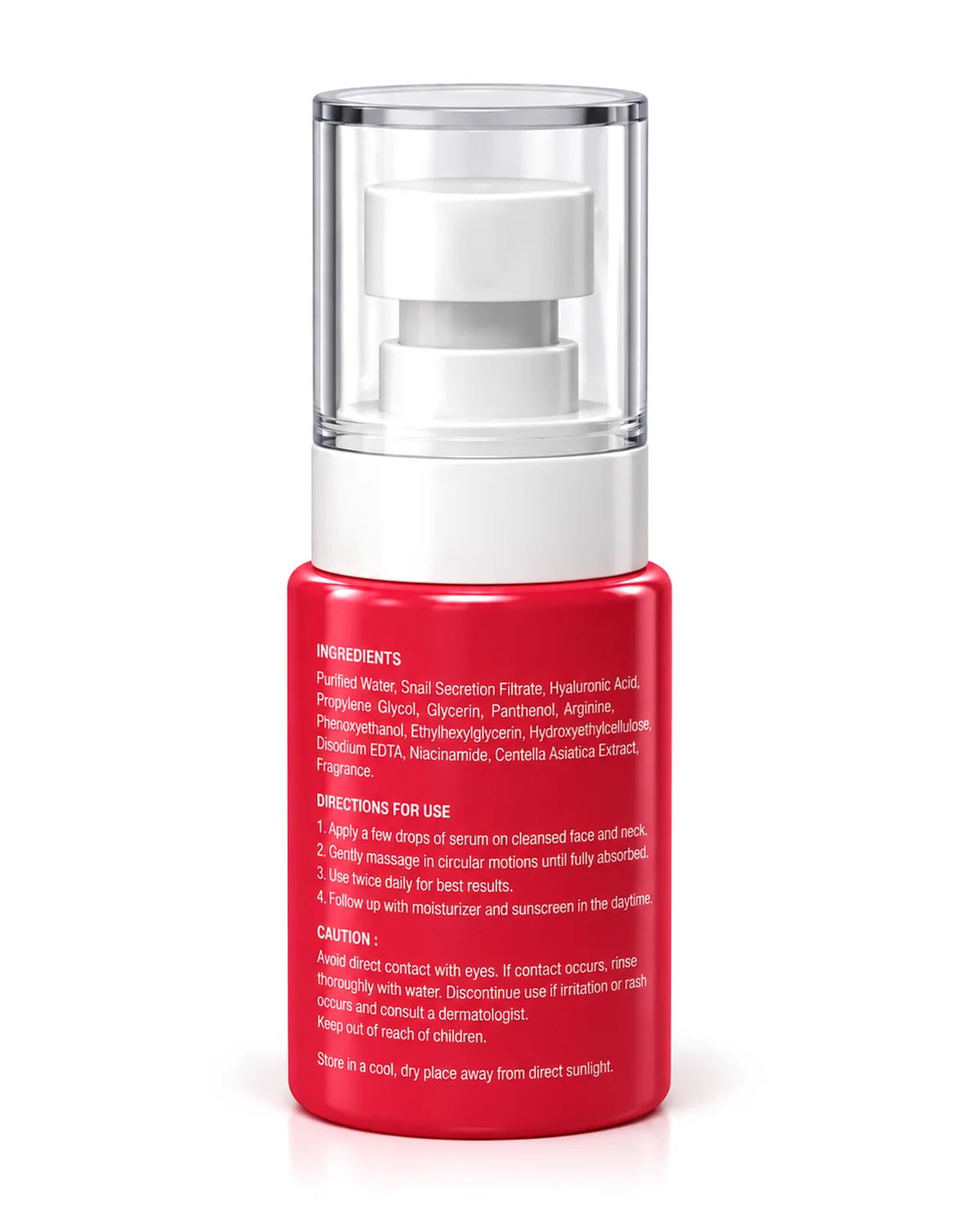
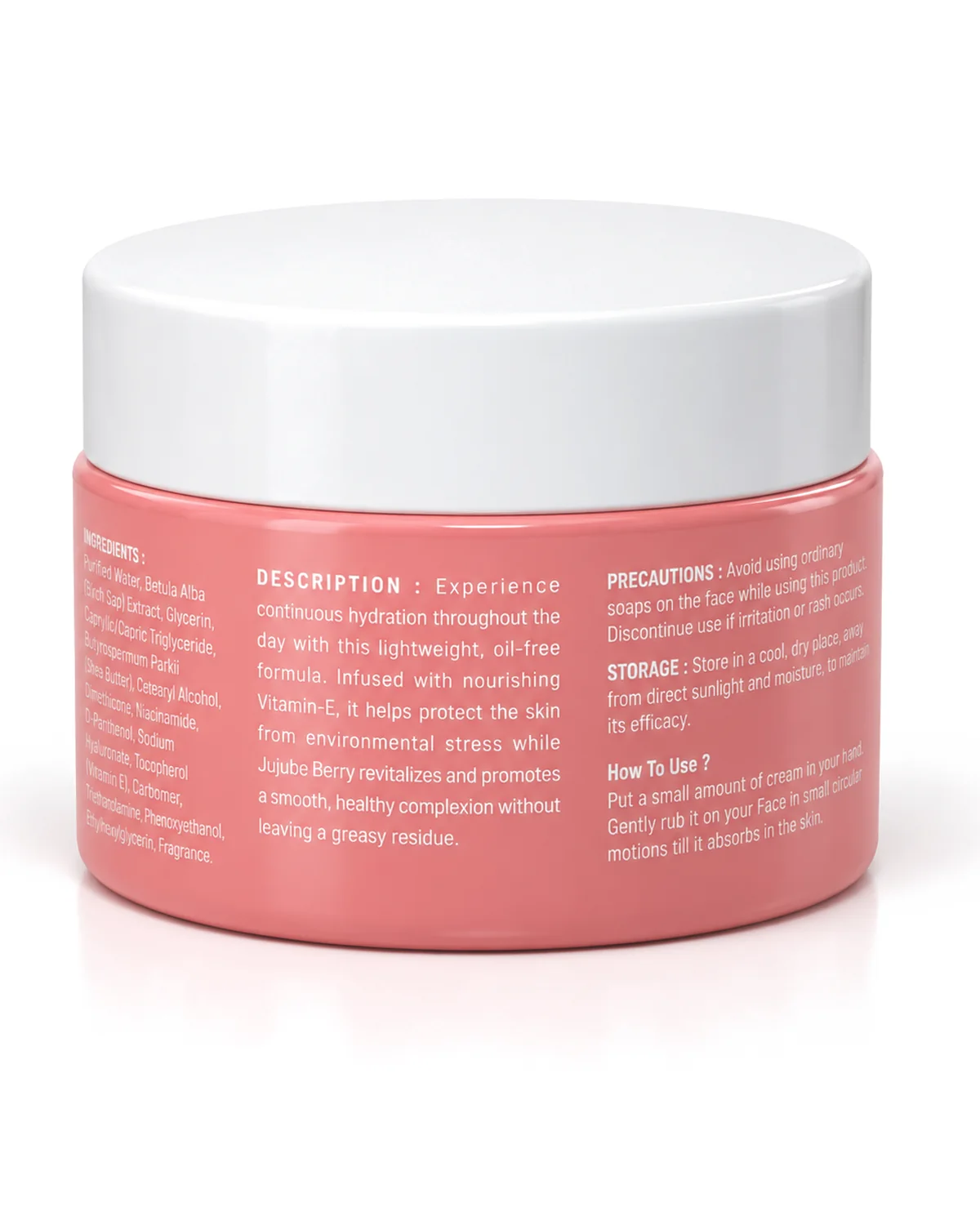
Our routine has three steps, and each is worth testing on its own before you layer them. The Rice Toner is a mist, so spray the test spot lightly from the usual distance rather than pressing it on with a finger. The Snail Mucin Serum contains snail secretion filtrate, and snails are molluscs, so take the full seven to ten days if you have a mollusc allergy. The Birch Sap Moisturiser goes on last, as a thin layer. Both the serum and the moisturiser list fragrance, which is worth knowing if fragrance has bothered your skin before.
Once all three have passed, the order and timing are in the three-step ritual, explained, and the full routine is on the K-Ritual page.
It is a week or so of patience at the start. In return you get a routine you can use every day without wondering about it, which is the whole point of having one.
Keep reading